+21y
2020
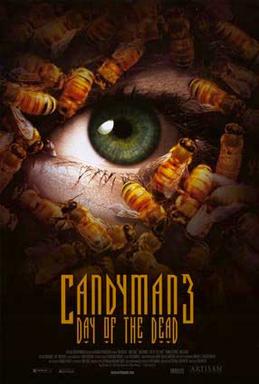
Candyman 3: Day of the Dead ↗ Wikipedia
Vision from 1999
Dir. Turi MeyerUSAEnglishIMDb 4.093 min
supernaturalsequelfolkloreurbanidentity
Set in a fictionalized 2020 Los Angeles, Candyman 3: Day of the Dead depicts a world where the gritty, localized urban folklore of the 1990s has transitioned into a more polished, commercialized art scene. The film follows Caroline McKeever, a gallery owner and descendant of Daniel Robitaille, as she navigates an LA that is preparing for a high-profile Day of the Dead celebration while grappling with the commercial exploitation of her family's violent history.
Societally, the film suggests a future where historical trauma and systemic racial injustice—represented by the Candyman mythos—remain unresolved but have been repackaged as aesthetic experiences for the elite. The Los Angeles of 2020 appears largely identical to the 1999 reality of the film's production, missing the mark on the massive digital and social upheavals that actually characterized the year 2020, such as the global pandemic or the radical shift in communications technology. Instead, it presents an uninterrupted continuation of 90s-era urban dynamics and forensic police procedures.
The film’s vision of 2020 is notable for what it omits; there is no evidence of the smartphone ubiquity or social media saturation that defined the actual year. Its most accurate "prediction" is more thematic than technical: the way that marginalized history is curated and consumed by modern industries. Fewer than three analysis-quality sources exist that specifically dissect this film's version of the future, as most critical reception focused on its adherence to slasher tropes rather than its speculative worldbuilding.