+31y
2020
Lords of the Deep ↗ Wikipedia
Vision from 1989
Dir. Mary Ann FisherUnited StatesEnglishIMDb 2.777 min
alien contactcorporationsenvironmental collapseunderwater colonizationtelepathy
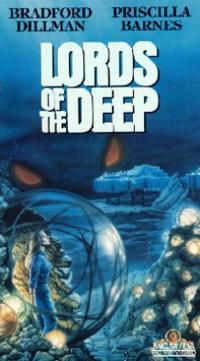
Set in the year 2020, Lords of the Deep depicts a future where humanity has turned to the oceans to sustain a dying planet. The story unfolds within an underwater research facility operated by the Marathon Corporation, which is tasked with exploring the ocean floor for resources and potential colonization. The environment is one of extreme isolation and corporate bureaucracy, reflecting a world where Earth's surface has become increasingly uninhabitable due to ozone depletion and environmental neglect.
The societal dynamic is defined by corporate hegemony, where private interests dictate scientific exploration and the safety of workers is secondary to the discovery of new energy sources or habitable zones. This 2020 divergent timeline suggests an Earth that is politically and ecologically desperate, pushing the boundaries of deep-sea saturation diving and sustained sub-aquatic living. The film introduces a benevolent, manta-ray-like alien species that offers a path to human evolution, suggesting that survival requires biological adaptation rather than just technological shields.
In terms of real-world outcomes, the film’s vision of 2020 overestimated the scale of permanent deep-sea colonies, which remain technologically and financially prohibitive today. However, it accurately signaled the rise of corporate-led exploration and the growing concerns over oceanic resource extraction. While we lack psychic manta rays, the film's focus on bioluminescence and the fragility of closed-circuit life support systems remains a staple of modern marine engineering discussions. Fewer than three high-quality retrospective analyses specifically detailing the accuracy of its 2020 predictions exist, as most contemporary criticism focuses on its production history under Roger Corman.